El arrecife, zona por zonaThe reef, zone by zone
Un corte del arrecife de esta costa, de la orilla al mar abierto, con algunos de los habitantes de cada parte.
A cross-section of this coast’s reef, from the shore to open water, with some of the residents of each part.
Orilla, manglar y bocas de ríoShore, mangrove and river mouths
0 a 1 m. Agua dulce y salada se mezclan.0 to 1 m. Fresh and salt water mix.
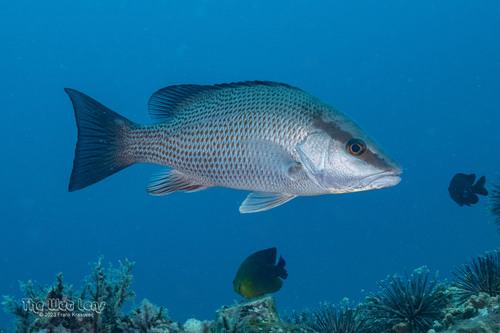
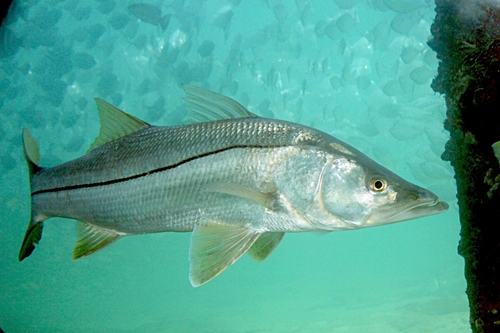
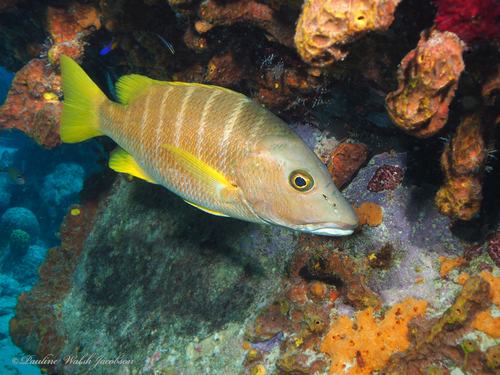
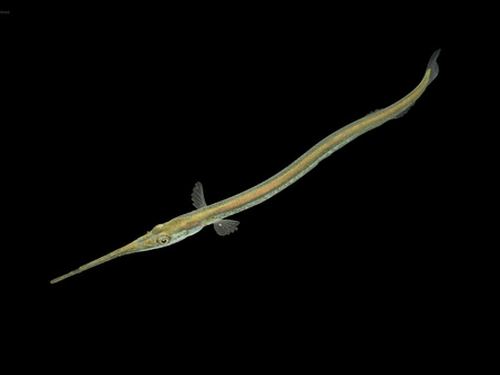
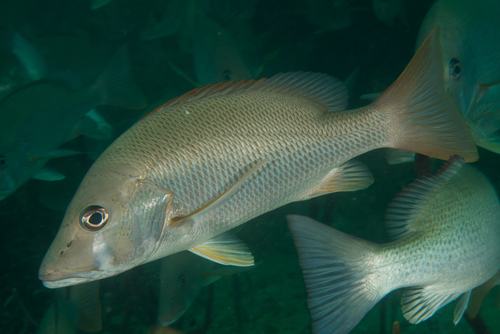
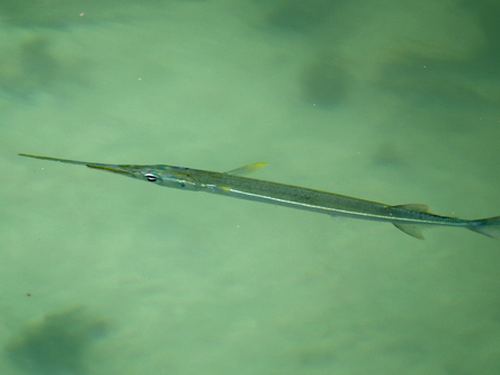
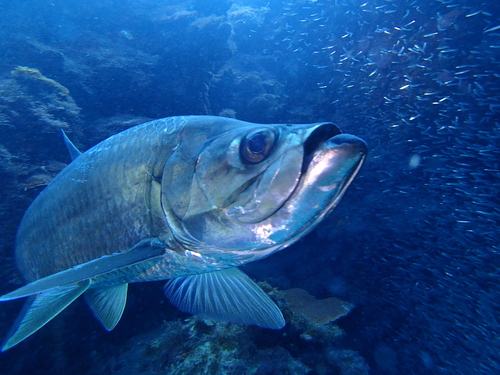
Donde ríos y quebradas llegan al mar, el agua es más turbia y menos salada. Entre raíces de mangle crecen los juveniles de muchos peces que luego verás en el arrecife. Es territorio de róbalos, sábalos y, con suerte, manatíes.
Where rivers and creeks meet the sea, the water is cloudier and less salty. Among mangrove roots grow the juveniles of many fish you will later see on the reef. This is the place for snook, tarpon and, with luck, manatees.
Laguna y pastos marinosLagoon and seagrass
Agua somera: en la laguna de Cahuita, a menudo menos de 1 m.Shallow water: in the Cahuita lagoon, often less than 1 m.
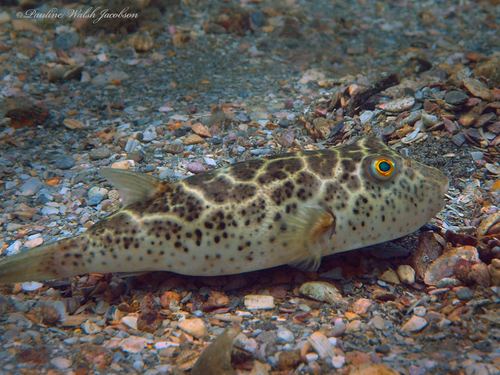
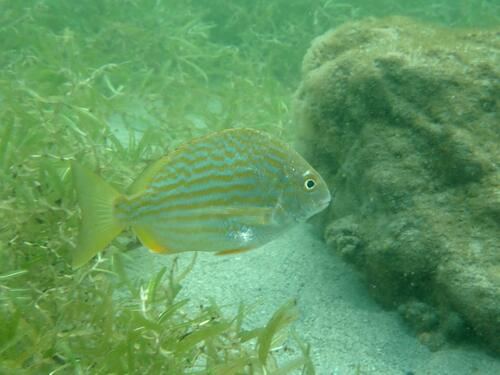
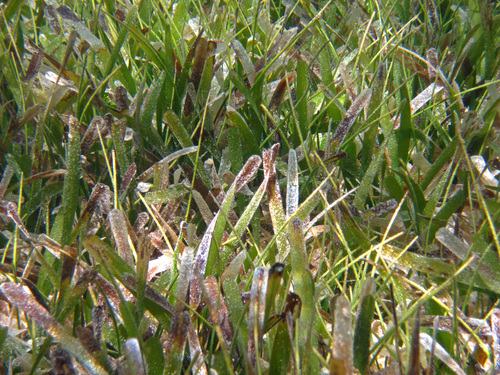
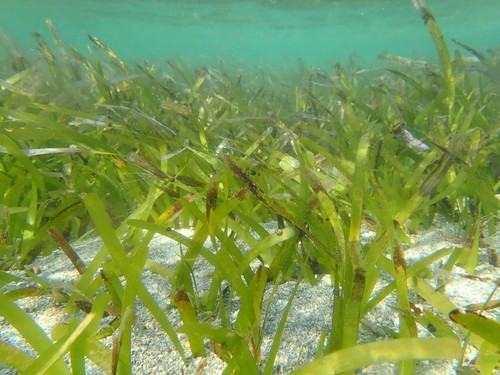
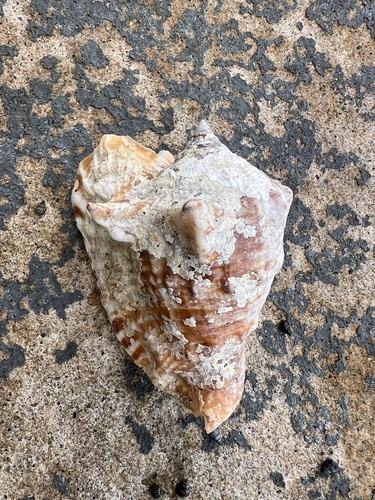
Detrás de la cresta el agua es tranquila y poco profunda. El fondo es de arena con praderas de pasto de tortuga (Thalassia testudinum) y algo de pasto de manatí. Entre las hojas se alimentan tortugas, erizos, caracoles y peces jóvenes.
Behind the crest the water is calm and shallow. The bottom is sand with meadows of turtle grass (Thalassia testudinum) and some manatee grass. Turtles, urchins, snails and young fish feed among the blades.
Parches de arrecife y cascajoPatch reefs and rubble
1 a 3 m.1 to 3 m.
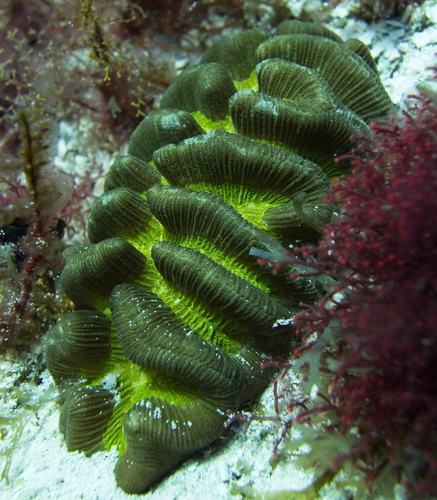
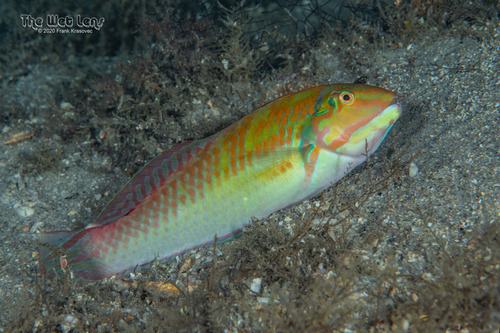
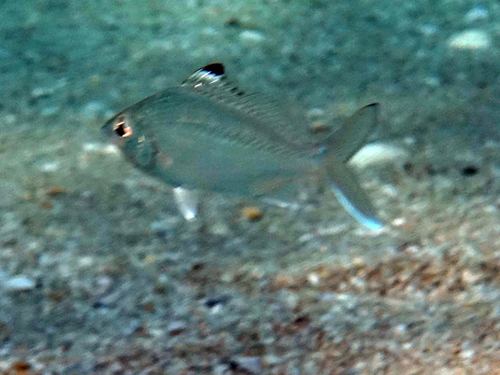
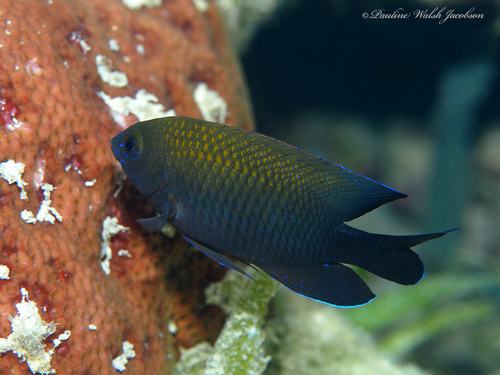
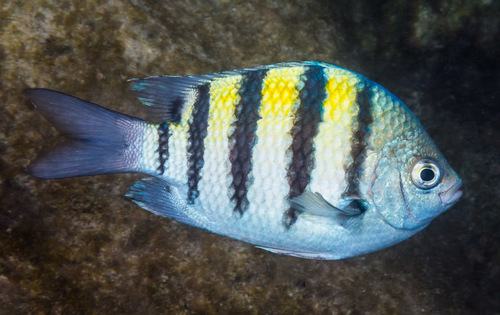
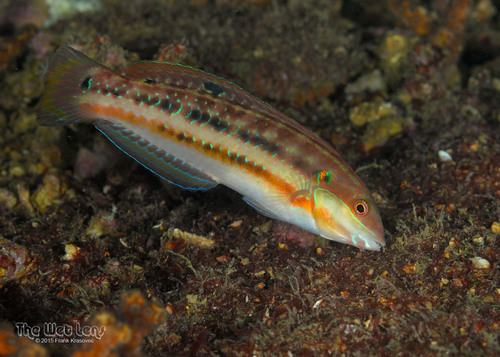
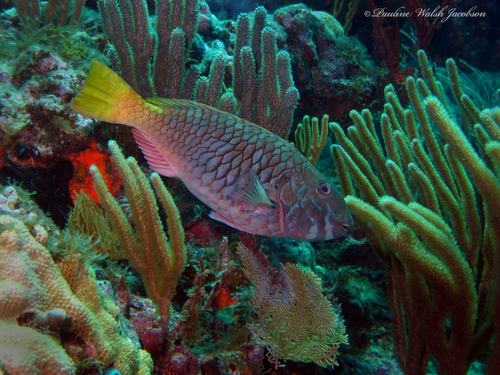
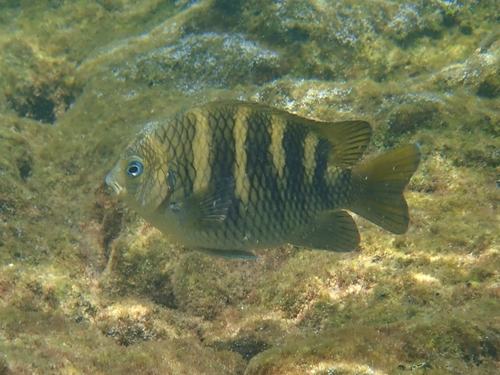
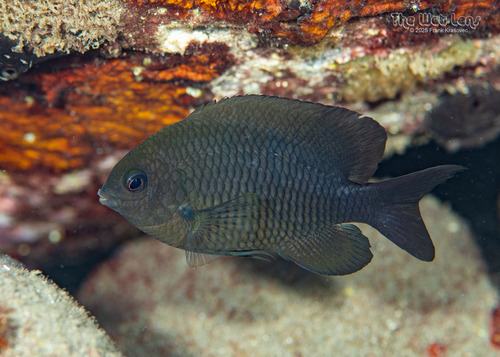
Dentro de la laguna hay pequeños parches de coral rodeados de arena y cascajo. Poca profundidad y mucha vida en poco espacio: un buen lugar para empezar. Damiselas, loros jóvenes y doncellas no se alejan de su parche.
Inside the lagoon there are small coral patches surrounded by sand and rubble. Shallow water and a lot of life in a small space: a good place to start. Damselfish, young parrotfish and wrasses stay close to their patch.
Cresta arrecifalReef crest
Casi en la superficie: 5 a 25 cm en la cresta de Cahuita.Almost at the surface: 5 to 25 cm on the Cahuita crest.
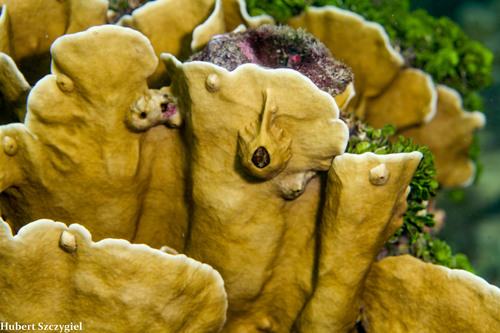
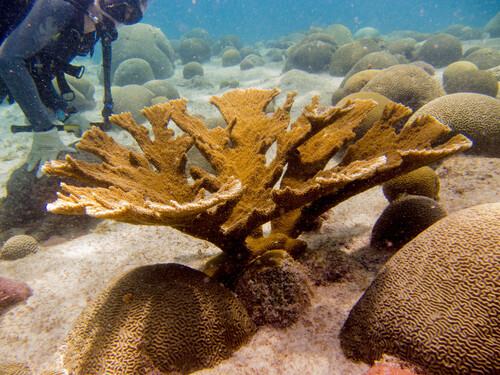
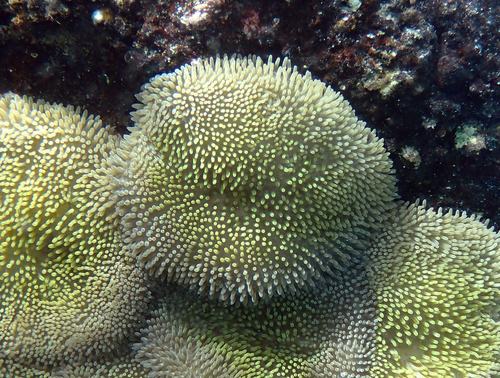
La parte más alta del arrecife, donde rompen las olas. En Cahuita la dominan el coral cuerno de alce y el coral de fuego laminar. La cresta principal mide unos 5 km frente a Punta Cahuita. Agua movida: se ve mejor desde un lado y con mar calmado.
The highest part of the reef, where the waves break. At Cahuita it is dominated by elkhorn coral and blade fire coral. The main crest runs about 5 km along Punta Cahuita. Rough water: best seen from the side on a calm day.
Frente del arrecifeFore reef
De 1 m hasta 10–15 m.From 1 m down to 10–15 m.
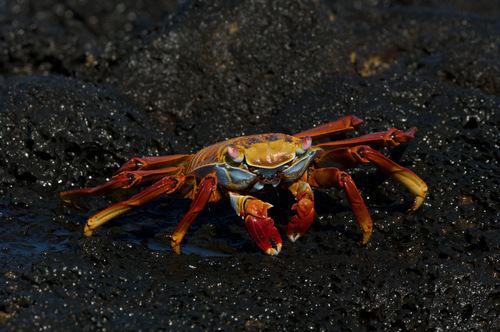
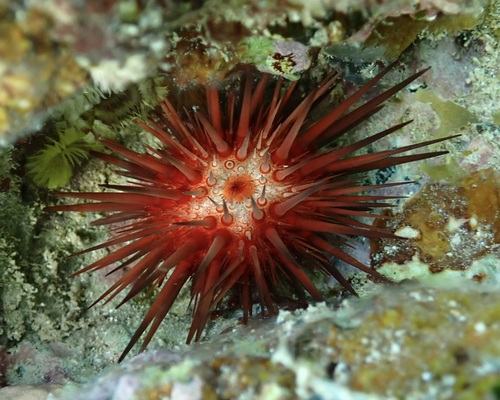
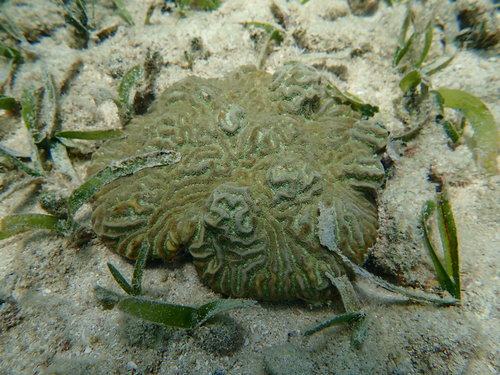
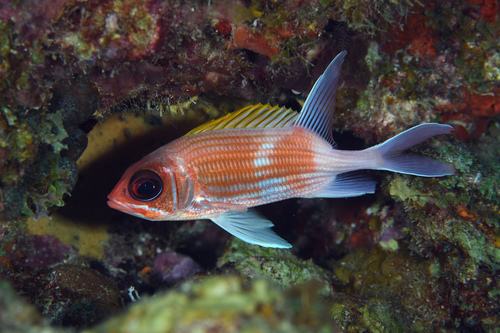
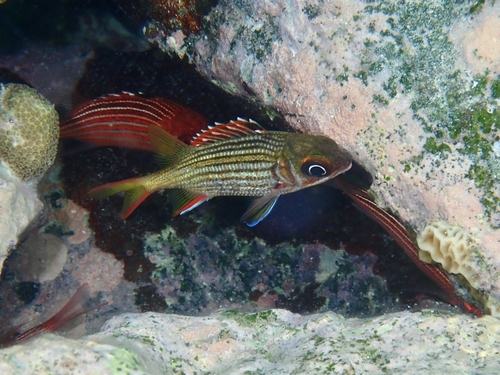
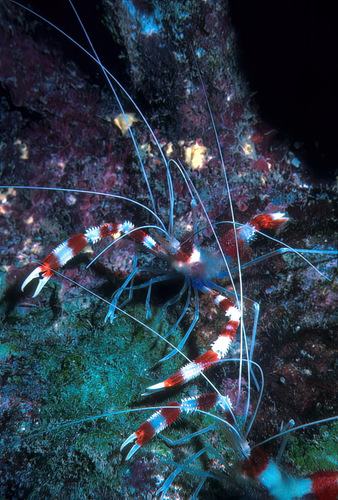
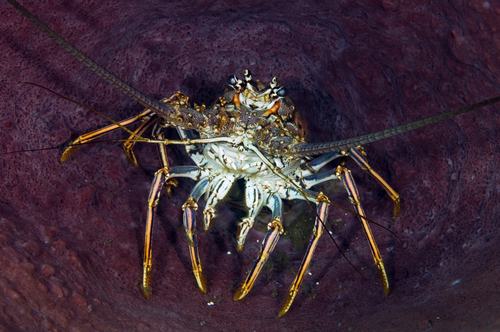
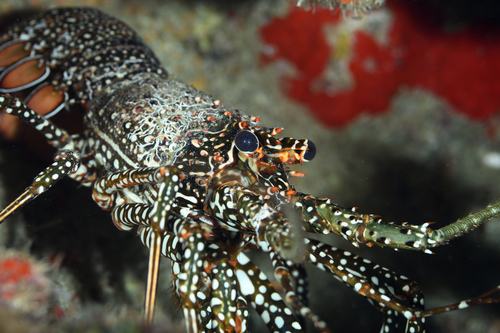
Del lado del mar el arrecife baja en espolones y canales hasta 10–15 m. Aquí están las cabezas grandes de coral y las cuevas y salientes donde pasan el día langostas, morenas y peces nocturnos.
On the seaward side the reef drops in spurs and grooves down to 10–15 m. Here are the big coral heads, and the caves and ledges where lobsters, morays and night-active fish spend the day.
Mar abierto y bancosOpen water and banks
Más de 10 m. Bancos con coral a unos 7 m, a cerca de 1 km de la costa.Deeper than 10 m. Coral-topped banks at about 7 m, roughly 1 km offshore.
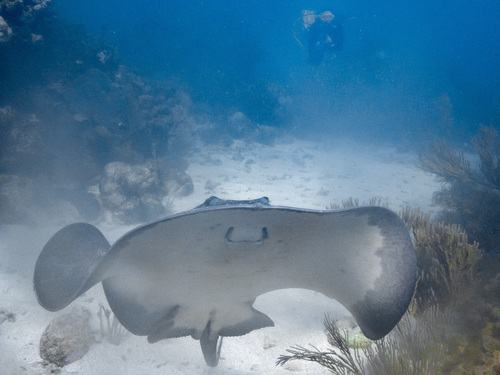
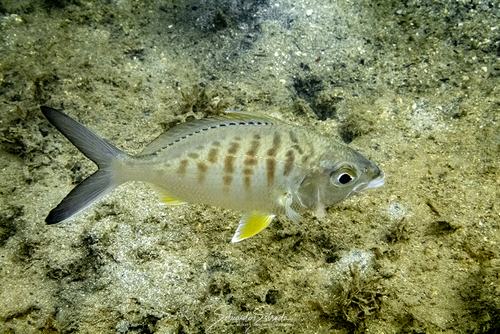
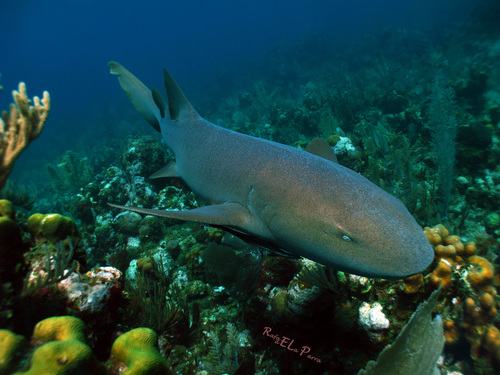
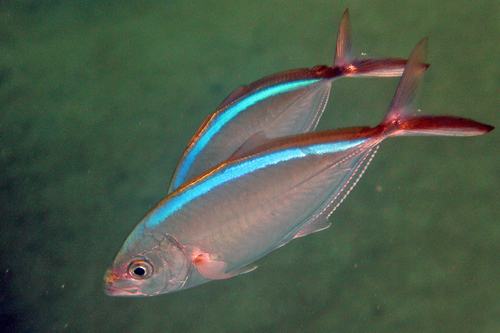
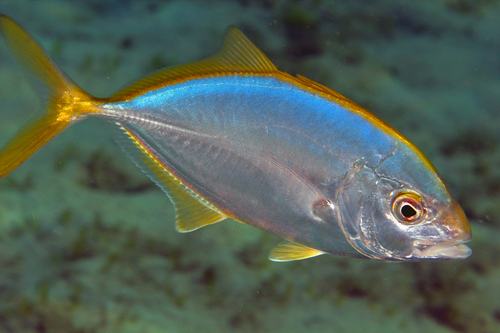
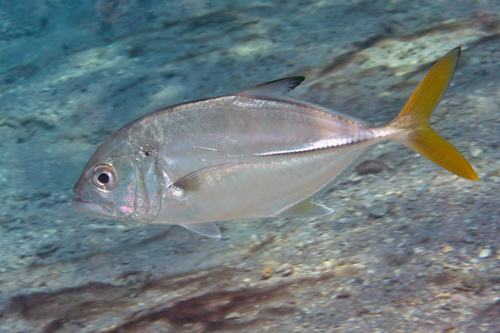
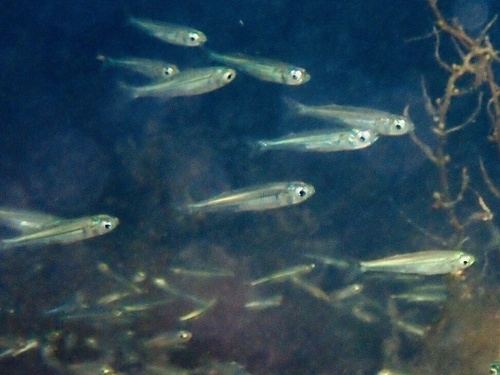
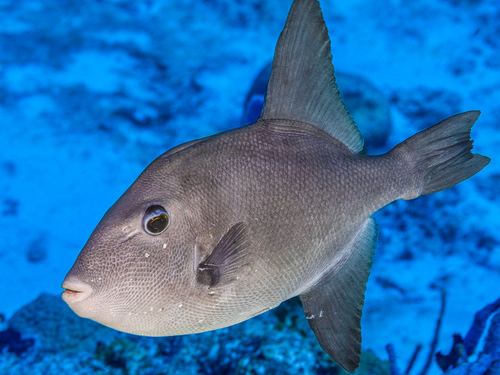
Más allá del arrecife el fondo es de arena y el agua se vuelve azul. Por aquí pasan jureles, barracudas, rayas y delfines. Frente a Cahuita hay bancos sumergidos con coral en la parte alta.
Beyond the reef the bottom is sand and the water turns blue. Jacks, barracudas, rays and dolphins pass through. Off Cahuita there are submerged banks with coral on top.
Esquema, no a escala. Profundidades y estructura según Cortés y Risk (1984) y Cortés et al. (2010) para el arrecife de Cahuita.Diagram, not to scale. Depths and structure after Cortés & Risk (1984) and Cortés et al. (2010) for the Cahuita reef. FuentesSources