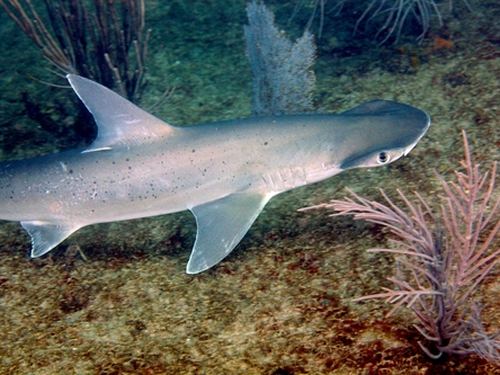
Cornuda de cabeza de palaBonnethead
BonnetheadCornuda de cabeza de pala
Sphyrna tiburo
Sphyrnidae · TiburonesSharks
Es el primer tiburón que se sabe que digiere plantas: más de la mitad de lo que come puede ser pasto marino.
It is the first shark known to digest plants: more than half of what it eats can be seagrass.
Cómo reconocerloHow to recognise it
Pequeño; cabeza redondeada en forma de pala, no de martillo.
Small; rounded shovel-shaped head rather than a hammer.
Fíjate enLook for: Cabeza redondeada en palaRounded shovel head
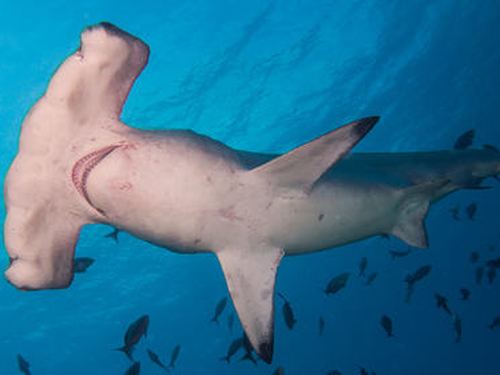
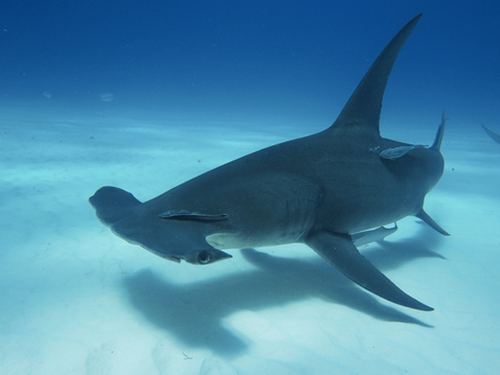
Se confunde conOften confused with
Cómo viveHow it lives
Come cangrejos y camarones en praderas de pasto marino, y es el único tiburón conocido que también digiere pasto.
Eats crabs and shrimp in seagrass beds, and is the only shark known to also digest seagrass.
De dónde viene el nombreWhere the name comes from
Sphyrna. "Martillo" en griego.Greek for "hammer".
FichaData sheet
- Tamaño máximoMaximum size
- 1,5 m (longitud total)1.5 m (total length)
- AlimentaciónDiet
- Come invertebradosEats invertebrates
- ActividadActivity
- De díaBy day
- Dónde viveHabitat
- Pastos marinos, arenaSeagrass, sand
- En esta costaOn this coast
- Muy raraVery rare
- Estado globalGlobal status
- EN En peligroEndangered (Lista Roja UICN)(IUCN Red List)
- RegistroRecord
- Visto por la tripulación; aún sin registro público aquíSeen by the crew; no public record here yet
Registros en esta costaRecords on this coast
observaciones verificadas en iNaturalist entre Cahuita y Punta Mona. Puesto 239 de 315.
verified iNaturalist observations between Cahuita and Punta Mona. Rank 239 of 315.
Mide cuánto se fotografía, no cuántos hay: lo grande, colorido y somero se registra más.
This measures how often it is photographed, not how many there are: big, colourful, shallow things get recorded more.