Cazón hocicudoAtlantic sharpnose shark
Atlantic sharpnose sharkCazón hocicudo
Rhizoprionodon terraenovae
Carcharhinidae · TiburonesSharks
Madura en solo 2 a 3 años, rápido para un tiburón.
It matures in just 2 to 3 years, fast for a shark.
Cómo reconocerloHow to recognise it
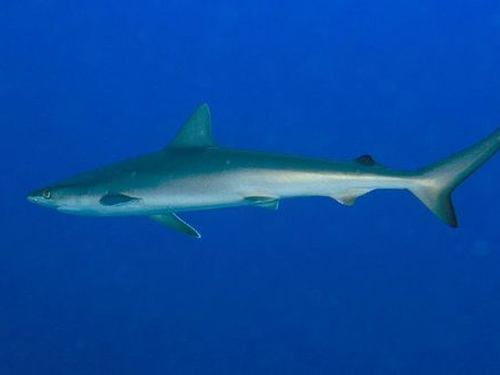
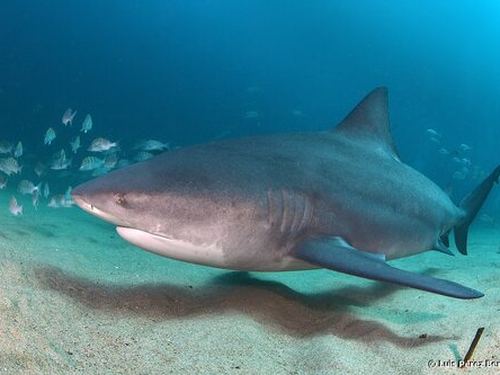
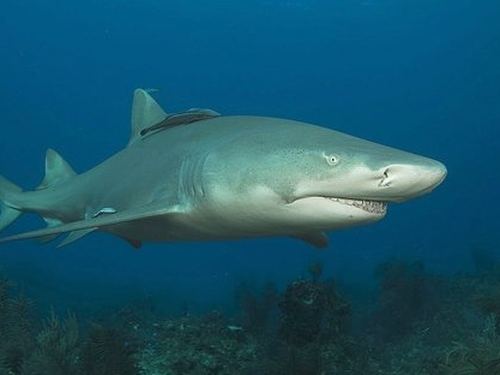
Pequeño, hocico largo y puntiagudo; a veces con puntos blancos en el lomo. En el Caribe sur se parece mucho al cazón antillano (R. porosus).
Small, with a long pointed snout; sometimes with white spots on the back. Here it is nearly identical to the Caribbean sharpnose (R. porosus).
Fíjate enLook for: Pequeño; hocico largoSmall; long snout
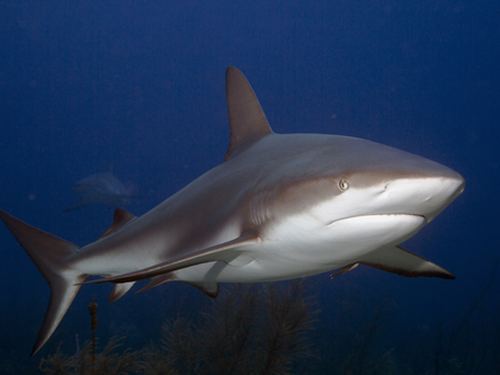
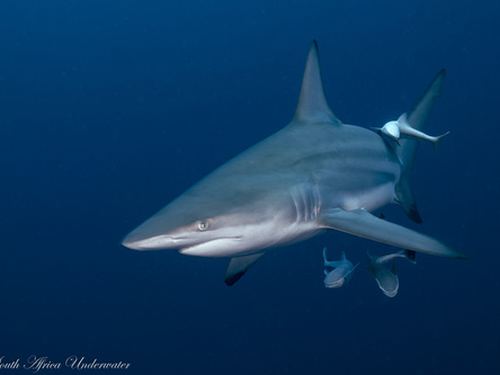
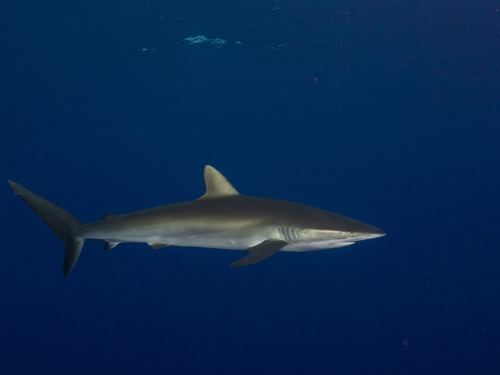
Se confunde conOften confused with
Cómo viveHow it lives
Tiburón pequeño de playas arenosas; se acerca a la orilla y es común en la pesca artesanal.
A small shark of sandy beaches; comes close to shore and is common in small-scale fisheries.
De dónde viene el nombreWhere the name comes from
Rhizoprionodon. "Raíz y dientes de sierra" en griego.Greek for "root and saw teeth".
FichaData sheet
- Tamaño máximoMaximum size
- 1,1 m (longitud total)1.1 m (total length)
- AlimentaciónDiet
- Come pecesEats fish
- ActividadActivity
- De día y de nocheDay and night
- Dónde viveHabitat
- Arena, aguas abiertasSand, open water
- En esta costaOn this coast
- Muy raraVery rare
- RegistroRecord
- Visto por la tripulación; aún sin registro público aquíSeen by the crew; no public record here yet
Registros en esta costaRecords on this coast
observaciones verificadas en iNaturalist entre Cahuita y Punta Mona. Puesto 236 de 315.
verified iNaturalist observations between Cahuita and Punta Mona. Rank 236 of 315.
Mide cuánto se fotografía, no cuántos hay: lo grande, colorido y somero se registra más.
This measures how often it is photographed, not how many there are: big, colourful, shallow things get recorded more.