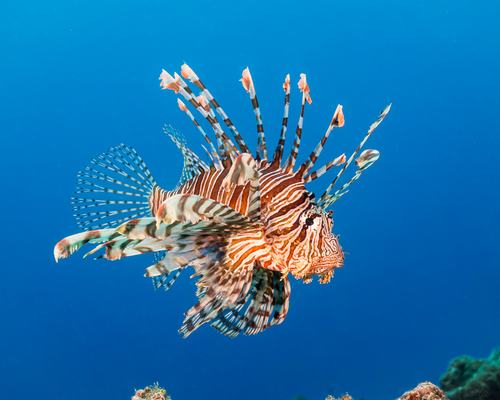
Pez leónRed lionfish
Red lionfishPez león
Pterois volitans (Linnaeus, 1758)
Scorpaenidae
Es invasor: llegó del Indo-Pacífico y aquí casi no tiene depredadores naturales.
It is invasive: it came from the Indo-Pacific and has almost no natural predators here.
Cómo reconocerloHow to recognise it
Bandas rojizas y blancas, aletas pectorales en abanico y largas espinas dorsales separadas.
Reddish and white bands, fan-like pectoral fins and long, separated dorsal spines.
Fíjate enLook for: Rayas rojas y aletas en abanicoRed stripes and fan-like fins
OjoCareful: Espinas venenosas. No tocar.Venomous spines. Do not touch.
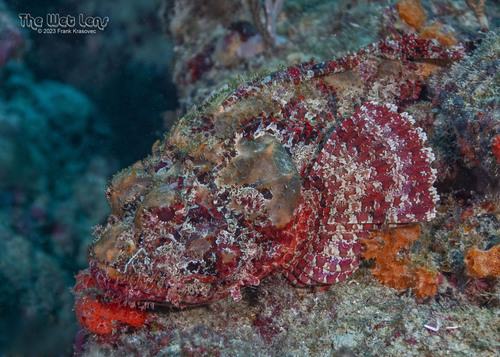
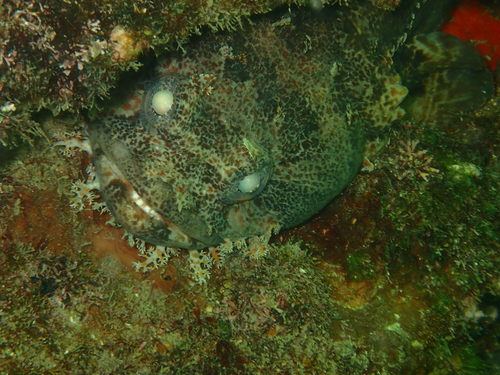
Se confunde conOften confused with
Cómo viveHow it lives
Nativo del Indo-Pacífico; invasor en el Caribe desde los años 2000. Consume grandes cantidades de peces pequeños nativos.
Native to the Indo-Pacific; invasive in the Caribbean since the 2000s. Eats large numbers of small native fish.
De dónde viene el nombreWhere the name comes from
Pterois. "Con alas" en griego, por sus aletas.Greek for "winged", for its fins.
FichaData sheet
- Tamaño máximoMaximum size
- 38 cm (longitud total)38 cm (total length)
- AlimentaciónDiet
- Come pecesEats fish
- ActividadActivity
- De día y de nocheDay and night
- Dónde viveHabitat
- Arrecife, cuevas y salientesReef, caves and ledges
- En esta costaOn this coast
- FrecuenteFrequent
Registros en esta costaRecords on this coast
observaciones verificadas en iNaturalist entre Cahuita y Punta Mona. Puesto 26 de 315.
verified iNaturalist observations between Cahuita and Punta Mona. Rank 26 of 315.
Mide cuánto se fotografía, no cuántos hay: lo grande, colorido y somero se registra más.
This measures how often it is photographed, not how many there are: big, colourful, shallow things get recorded more.
Lo que dicen los estudios aquíWhat studies here say
Llegó a finales de 2008 y en 2009 se registró en Cahuita y Gandoca-Manzanillo. En 2015 había en promedio 92 por hectárea, con hasta 162 en Manzanillo, y medían en promedio 18,7 cm. El 71 % de lo que comía eran peces.
It arrived in late 2008 and was recorded at Cahuita and Gandoca-Manzanillo in 2009. In 2015 there were 92 per hectare on average, up to 162 at Manzanillo, with a mean length of 18.7 cm. Fish were 71% of what it ate.
FuentesSources: Sandel et al. 2015